
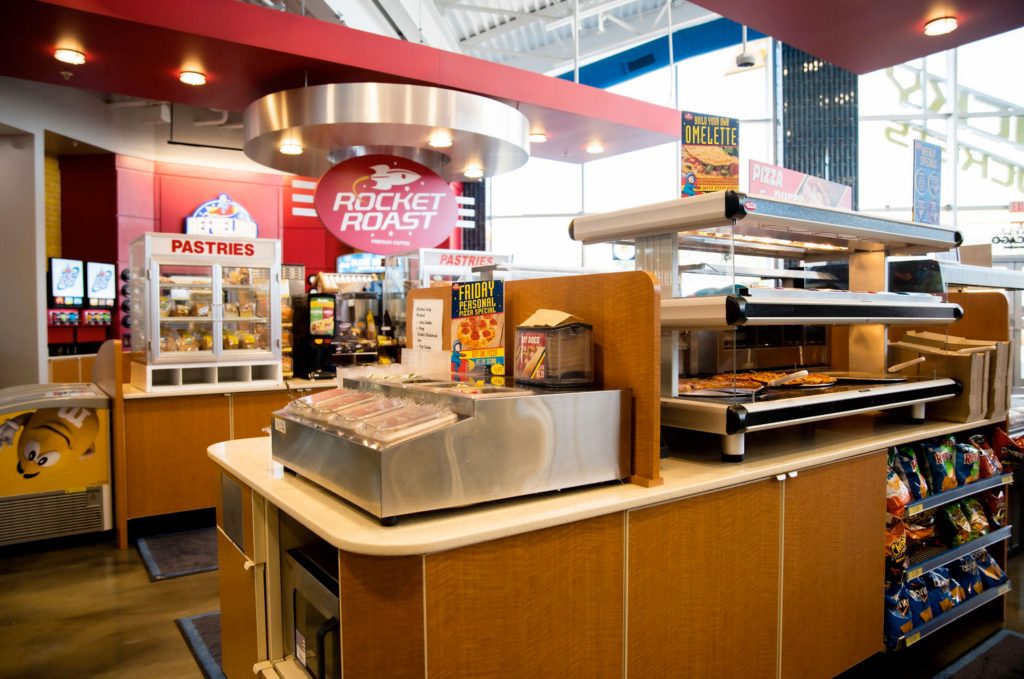
An average road tripper spends 42% more on unhealthy food choices compared to their regular eating habits. A recent study by the Travel Health Association reveals that making poor food choices during travel can reduce energy levels by up to 30% and impact driving alertness.
Smart Planning Makes Perfect Road Trips
Planning healthy meals for your road trip doesn’t have to be complicated. The key lies in preparation and understanding your options. Whether you’re embarking on a weekend getaway or a cross-country adventure, maintaining good nutrition will keep you alert and energized throughout your journey.
Essential Packing Strategies That Work
The foundation of healthy road trip eating starts with proper packing.Transform your vehicle into a healthy food haven with these smart packing tips:
– Use a dual-compartment cooler: separate raw and ready-to-eat foods
– Pack lightweight, reusable containers-
– Include ice packs or frozen water bottles- reusable containers that seal tightly to prevent spills during transport. Include several ice packs or frozen water bottles to maintain safe food temperatures.
– Bring basic utensils and paper towels- Don’t forget basic utensils and paper towels – they’re essential for convenient eating on the go.
Road-Ready Healthy Snacks
Creating a well-rounded selection of travel snacks ensures you’ll have nutritious options whenever hunger strikes. Keep these nutrient-rich options within reach:
1. Fresh fruits like apples, oranges, and grapes travel well and provide natural energy.
2. Pack cut vegetables with single-serve hummus cups for a protein-rich option.
3. Include a mix of nuts and seeds for healthy fats and protein, and keep whole grain crackers on hand for satisfying crunch.
4. Greek yogurt cups and hard-boiled eggs offer protein-packed alternatives to typical road trip snacks.
Hydration Habits That Matter
Stay properly hydrated by:
– Drinking water every 2 hours
– Avoiding excessive caffeine
– Choosing coconut water for electrolytes
– Using a reusable water bottle
Smart Timing Strategies
Plan your meals around these guidelines:
– Eat every 3-4 hours to keep blood sugar stable
– Have protein with each meal to stay satisfied longer
– Avoid heavy meals while driving
– Schedule proper meal breaks
Remember, healthy eating on the road isn’t about perfection – it’s about making better choices when possible. By implementing these strategies, you’ll maintain your energy levels, save money, and arrive at your destination feeling great. Start your next journey with these tips in mind, and experience the difference that good nutrition can make on your travel experience.
Frequently Asked Questions
1. How can I keep food fresh during long road trips?
Use a quality cooler with ice packs and maintain temperature below 40°F (4°C). Replace ice as needed and store perishables properly.
2. What are the best options for vegetarians on the road?
Look for hummus packs, plant-based protein bars, nuts, and fresh produce. Many fast-food chains now offer vegetarian options.
3. How do I handle food allergies during road trips?
Always read labels carefully, pack safe alternatives, and research allergen-friendly restaurants along your route using specialized apps.
4. What’s the most cost-effective way to eat healthy while traveling?
Prep meals ahead, buy in bulk for snacks, and use grocery stores instead of restaurants when possible.
5. How can I avoid mindless eating while driving?
Pre-portion your snacks, schedule regular meal breaks, and stay hydrated to avoid confusing thirst with hunger.